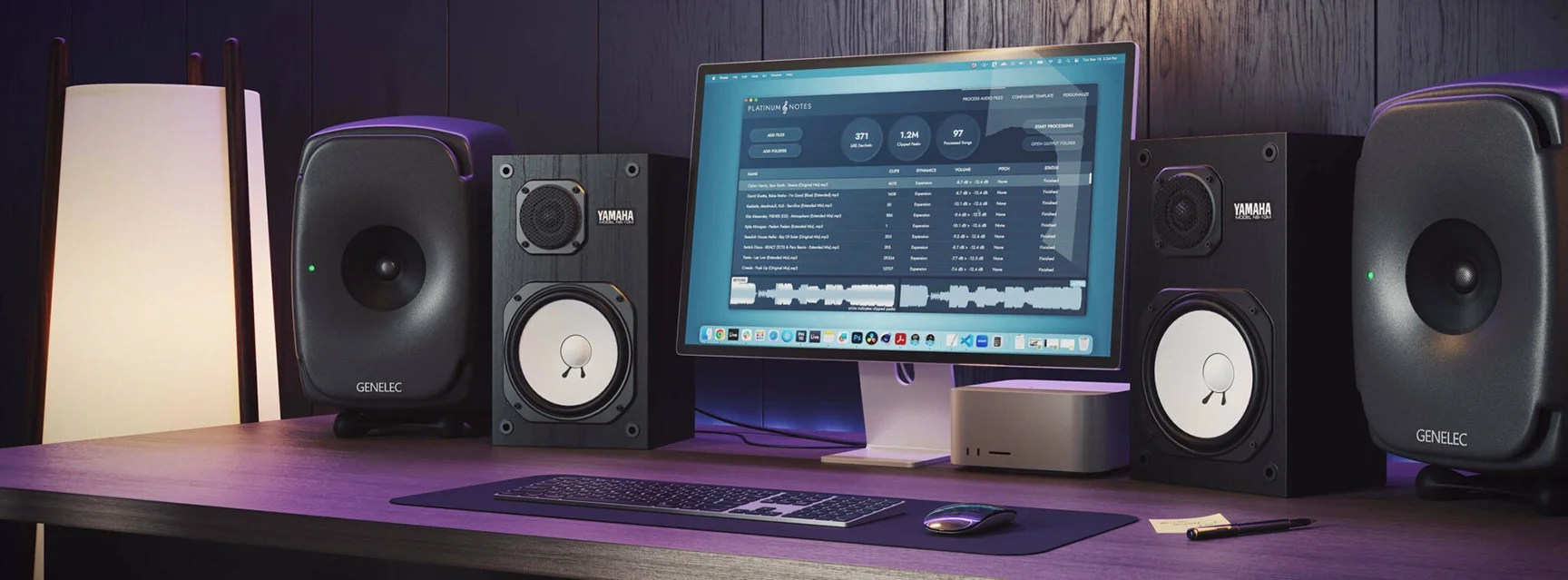
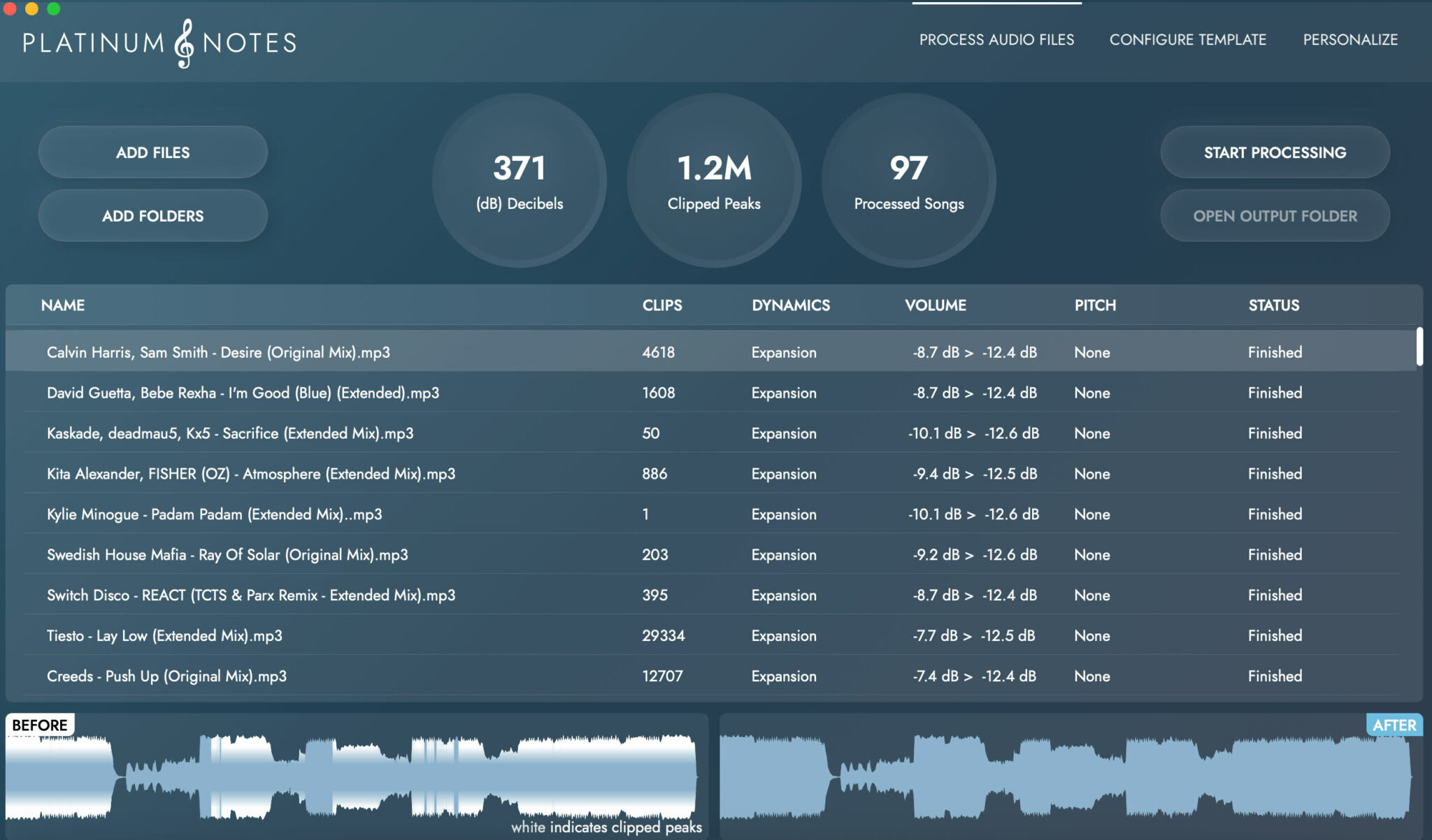
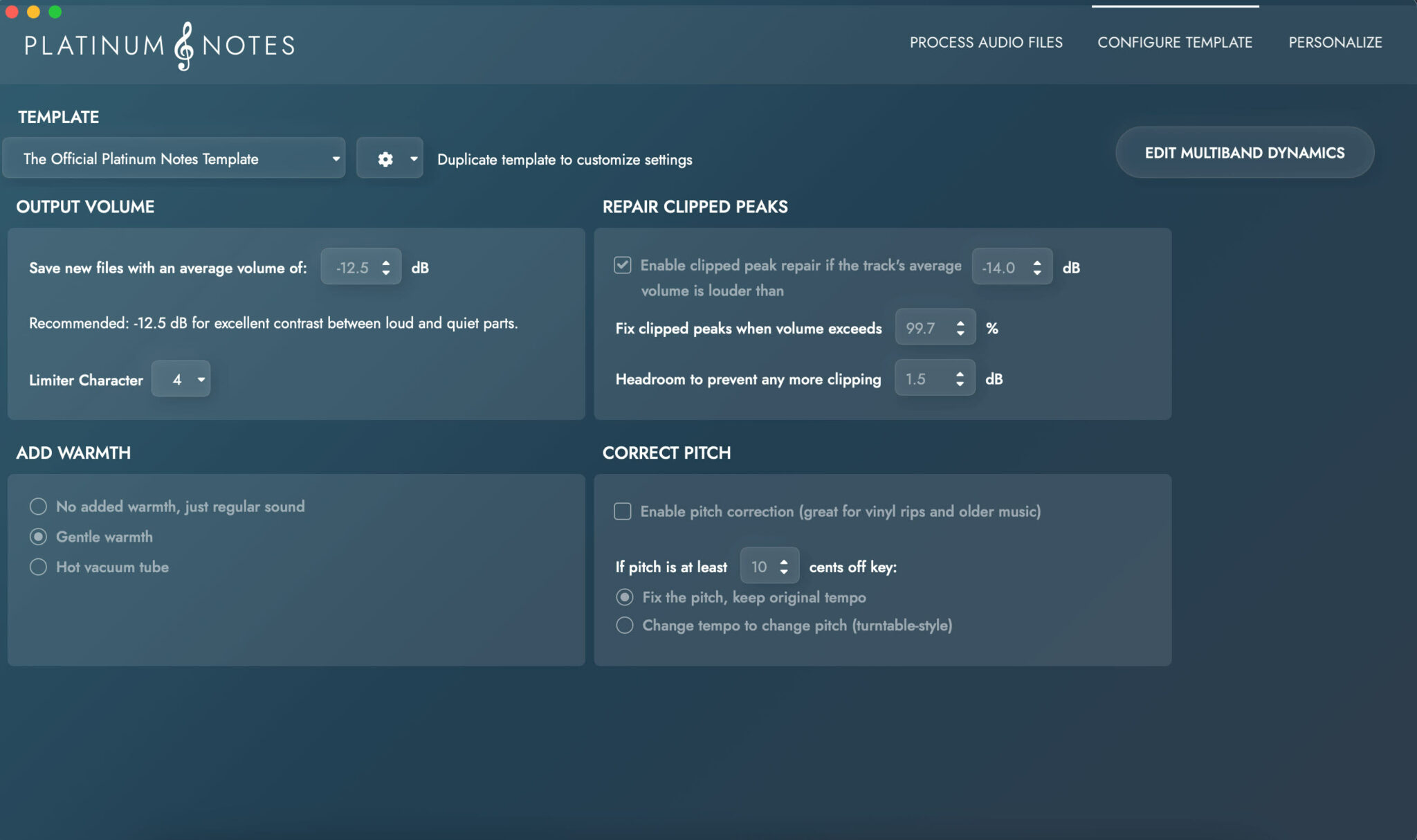
Add your files to Platinum Notes and it will process them with highest-quality audio filters to improve their volume. Every song will sound like it came from the same mastering engineer.
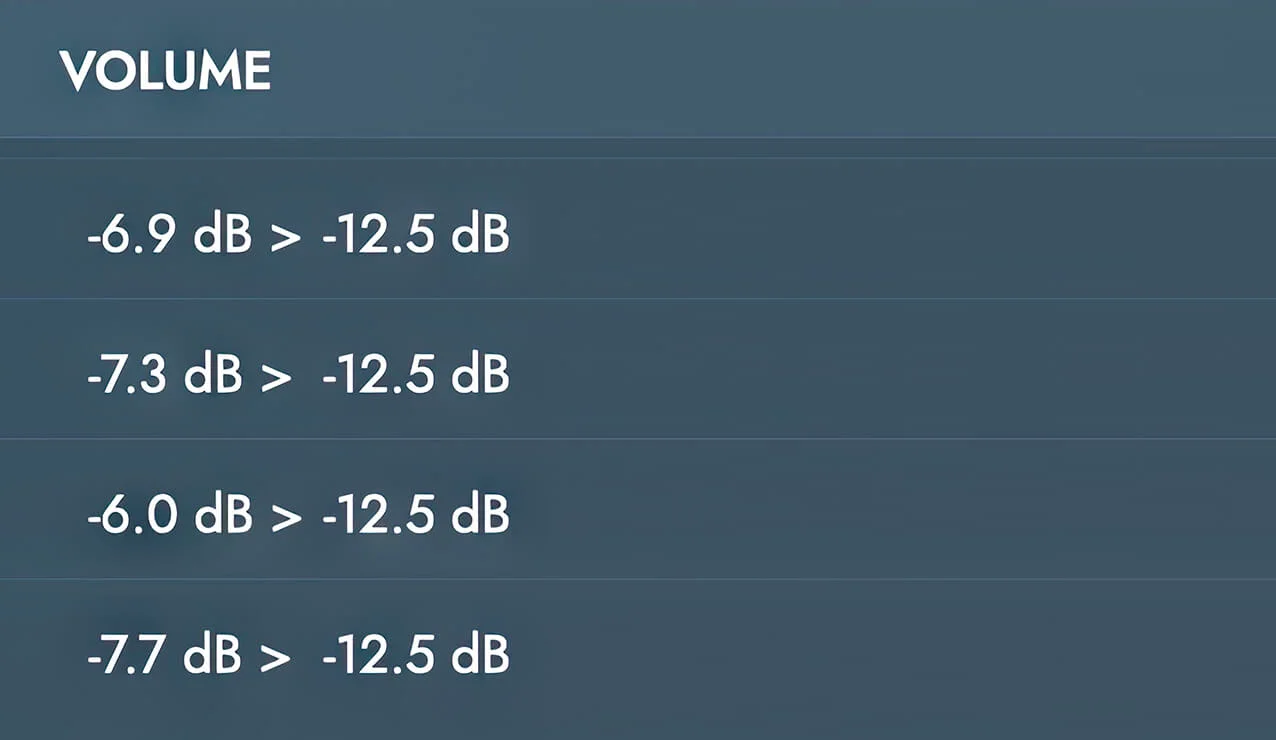
Tracks created by different producers will have different loudness. Platinum Notes standardizes volume across your entire music library. It helps you sound like you have a mastering engineer who takes your DJ sets and applies mastering to them every time you play.
Work: Bit.ly Kk8989
Even high-quality tracks can have imperfections. Platinum Notes fixes clipped peaks and heightens the contrast between quiet and loud sections.
Work: Bit.ly Kk8989
To test it, we took 100 files purchased from Beatport.
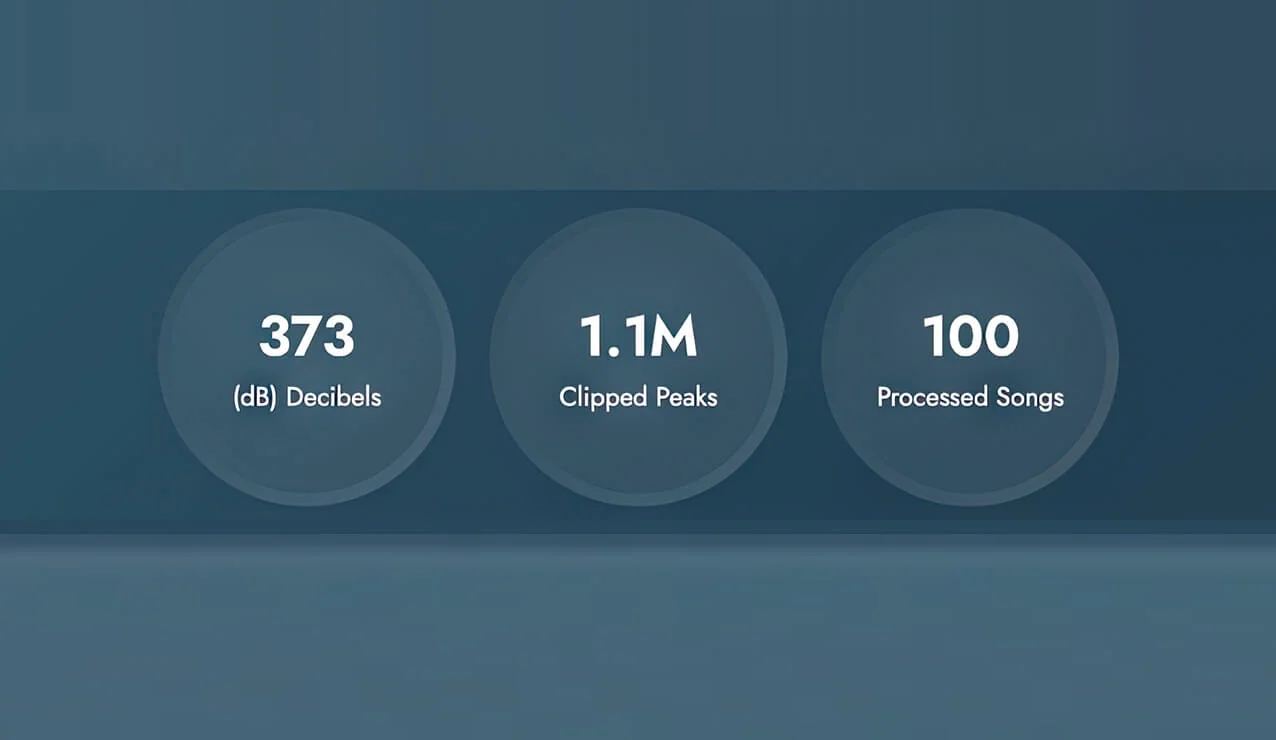
Platinum Notes fixed 1.1 million clipped peaks, changed 373 decibels of volume, and improved contrast for 100 tracks.
People think that Beatport files are perfect, but they came from different labels and different people.
The best way to standardize your music library is with Platinum Notes.
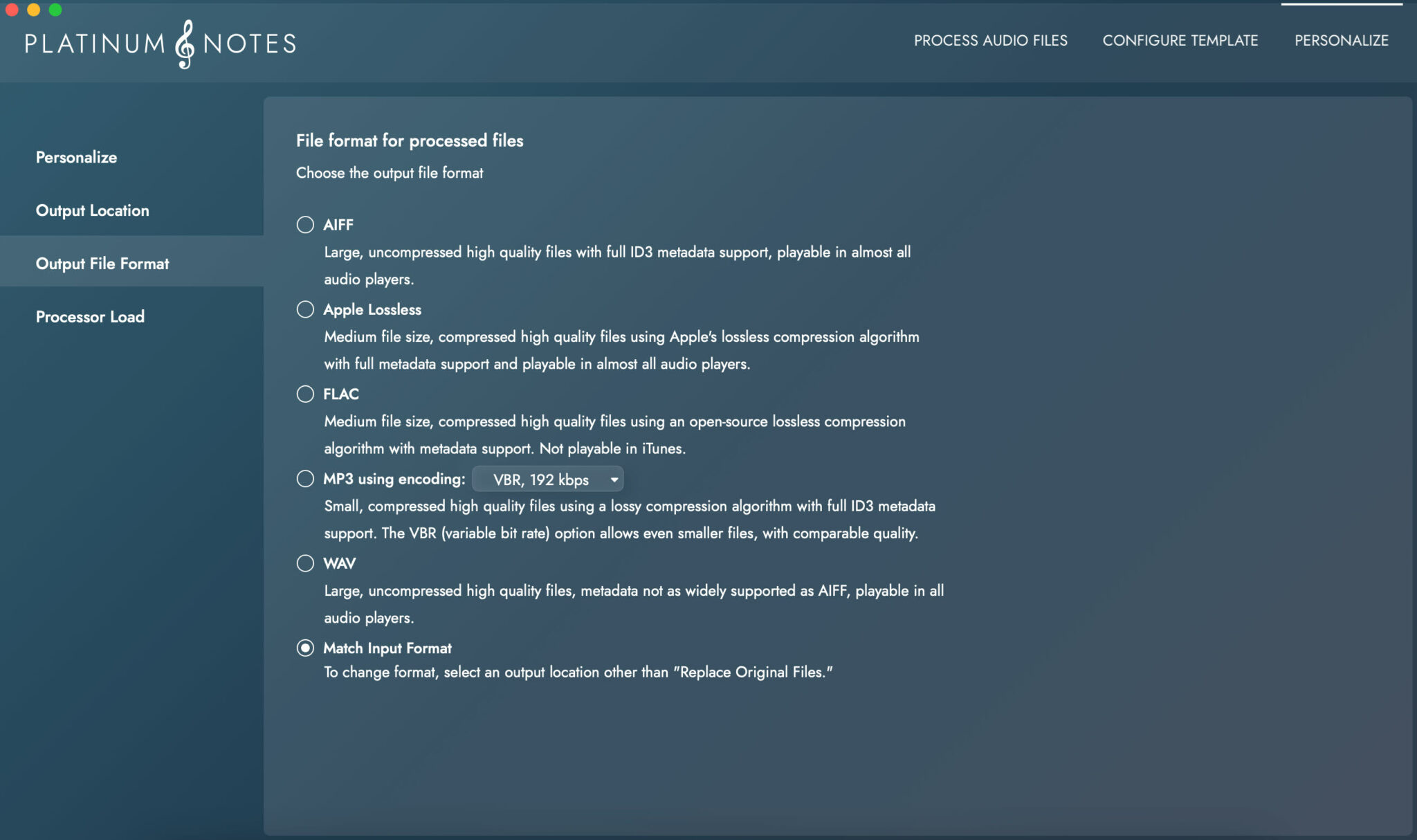
Works with all major audio formats:
MP3, WAV, AIFF, Apple Lossless, OGG, FLAC
Designed For:
Once you process your music, your other DJ software will sound even better.
I should also mention that if they're unsure about the source of the link, it's best not to engage with it at all. Trust is key here. Even if they check the link, if it's pointing to an unfamiliar or potentially harmful site, they should avoid it.
I need to highlight that the responsibility is on them to check, but caution is always necessary. Provide a balanced view between checking and staying safe.
Another point: sometimes the same shortened link might be used for different purposes by different people. So the destination can vary depending on who controls the bit.ly account. That means even if the link was safe before, it could be changed later to point to something harmful.
Another angle is to guide them on how to handle the situation. If they clicked the link and it led them to something suspicious, they should delete the page, run a virus scan, and consider changing passwords if they entered any on the site.
I need to make sure the advice is clear and step-by-step. Maybe start with how to safely expand the link, then the risks, and then what to do if they're already concerned about their security after clicking.
Wait, the user might be asking for help because they were sent this link and aren't sure if it's safe. So the guide should address both the technical steps to check the link and the general advice on dealing with short links.
I can't actually visit the link to check the destination because that would be a security risk. But I can explain to the user how to check the destination safely themselves. Maybe mention using an online expander tool like "Unshorten.it" or checking the link's metadata with a service like Bitly's own preview feature.
Work: Bit.ly Kk8989
I should also mention that if they're unsure about the source of the link, it's best not to engage with it at all. Trust is key here. Even if they check the link, if it's pointing to an unfamiliar or potentially harmful site, they should avoid it.
I need to highlight that the responsibility is on them to check, but caution is always necessary. Provide a balanced view between checking and staying safe. bit.ly kk8989
Another point: sometimes the same shortened link might be used for different purposes by different people. So the destination can vary depending on who controls the bit.ly account. That means even if the link was safe before, it could be changed later to point to something harmful. I should also mention that if they're unsure
Another angle is to guide them on how to handle the situation. If they clicked the link and it led them to something suspicious, they should delete the page, run a virus scan, and consider changing passwords if they entered any on the site. I need to highlight that the responsibility is
I need to make sure the advice is clear and step-by-step. Maybe start with how to safely expand the link, then the risks, and then what to do if they're already concerned about their security after clicking.
Wait, the user might be asking for help because they were sent this link and aren't sure if it's safe. So the guide should address both the technical steps to check the link and the general advice on dealing with short links.
I can't actually visit the link to check the destination because that would be a security risk. But I can explain to the user how to check the destination safely themselves. Maybe mention using an online expander tool like "Unshorten.it" or checking the link's metadata with a service like Bitly's own preview feature.