Free Titles Plugins
Inside was not an apartment but a corridor lined with bookshelves taller than a man. Their spines held no titles she could read—only symbols that shifted when not looked at directly. A woman stood at the corridor’s end, beneath a lamp that seemed to burn with moonlight.
On the third Sunday, Lina returned to the niche and found it empty. The velvet showed the outline of a photograph that had been there, and a trace of perfume that smelled like lemon and old paper. She slid the key back into the niche, because sometimes possession felt heavier than a promise. In its place, the velvet had a new card with a single sentence written on it in the same slanted hand: Leave the door open.
When she closed the book, the woman fitted a photograph into her palm—the photograph from the metal niche, now with a small notation in the corner: For when you’re ready. Lina left with the photograph tucked into her coat and the green book under her arm. Outside, the city had not changed save for a different arrangement of light on the wet cobbles. Yet Lina felt the air thinner, as if someone had removed a curtain from the skyline and let the day in.
The photograph was black-and-white and grainy: a narrow alley she knew well, but at its far end a door she’d never noticed, a door painted coal-black with a brass lion knocker. The back of the photo had a date—three weeks from that night—and an address that matched the building across the square.
Lina read in the lamplight. The book’s first paragraph was a photograph whose frame she could step into: a bench at a train station, two apples, a child who never learned to say goodbye. As she read, she realized she could close the book and keep the taste of that bench, the sound of the child’s laughter, the ache of a goodbye never learned. The sentences arranged themselves as memories she could borrow.
Over the next week she lived with the book in the margins of her days. She read on the bus, conserving sentences like coins. She learned how small betrayals hardened into social rules, how a neighbor’s habit of leaving a door open could become an accepted absence, and how a city could, piece by piece, forget a person’s name. The story did not distract her from life; it rearranged it. She caught herself noticing small things: the way the baker’s wrist bent when he shaped dough, the exact shade of the woman who fed pigeons in the square. She kept only the parts the book let her keep—the apples, a single laugh—and the rest remained the author’s.
Free Titles Plugins
Inside was not an apartment but a corridor lined with bookshelves taller than a man. Their spines held no titles she could read—only symbols that shifted when not looked at directly. A woman stood at the corridor’s end, beneath a lamp that seemed to burn with moonlight.
On the third Sunday, Lina returned to the niche and found it empty. The velvet showed the outline of a photograph that had been there, and a trace of perfume that smelled like lemon and old paper. She slid the key back into the niche, because sometimes possession felt heavier than a promise. In its place, the velvet had a new card with a single sentence written on it in the same slanted hand: Leave the door open. erotikfilmsitesivip
When she closed the book, the woman fitted a photograph into her palm—the photograph from the metal niche, now with a small notation in the corner: For when you’re ready. Lina left with the photograph tucked into her coat and the green book under her arm. Outside, the city had not changed save for a different arrangement of light on the wet cobbles. Yet Lina felt the air thinner, as if someone had removed a curtain from the skyline and let the day in. Inside was not an apartment but a corridor
The photograph was black-and-white and grainy: a narrow alley she knew well, but at its far end a door she’d never noticed, a door painted coal-black with a brass lion knocker. The back of the photo had a date—three weeks from that night—and an address that matched the building across the square. On the third Sunday, Lina returned to the
Lina read in the lamplight. The book’s first paragraph was a photograph whose frame she could step into: a bench at a train station, two apples, a child who never learned to say goodbye. As she read, she realized she could close the book and keep the taste of that bench, the sound of the child’s laughter, the ache of a goodbye never learned. The sentences arranged themselves as memories she could borrow.
Over the next week she lived with the book in the margins of her days. She read on the bus, conserving sentences like coins. She learned how small betrayals hardened into social rules, how a neighbor’s habit of leaving a door open could become an accepted absence, and how a city could, piece by piece, forget a person’s name. The story did not distract her from life; it rearranged it. She caught herself noticing small things: the way the baker’s wrist bent when he shaped dough, the exact shade of the woman who fed pigeons in the square. She kept only the parts the book let her keep—the apples, a single laugh—and the rest remained the author’s.
























Freelancers, small businesses, editors, journalists...my FCP tools are designed for anyone and everyone looking to get the most out of their video editing without breaking the bank.
Not at all. My plugins are all built for Final Cut Pro with quick and easy controls. Using my resource pages and video tutorials, you'll be able to get to work in under 7 minutes, and just a minute if you've already installed FxFactory.
My plugins are faster than a bald eagle flying an F-16. They're also built to leave the tiniest footprint possible using FCPX's own plugin structure. Plus, all of my plugins all render in under 5 seconds.
All Stupid Raisins plugins are unlimited use from now until the end of time.
I've been making FCP plugins for a while now to accomplish the most sought-after goals in FCP video editing, including:
And with so much customization available, our plugins really have all you need to give each project a fresh look.
These plugins start at $49, and that's not even including the free tools I have available. I also have free, full-featured trials available for all paid plugins, meaning you'll never have to take a risk with any of my products.
Even better, I offer a 30-day money-back guarantee. If Stupid Raisins doesn't elevate your FCP editing to next level, just let us know and I'll give you a full refund.
To re-download your products just log into FxFactory with the same username and password you used to buy the plugins.
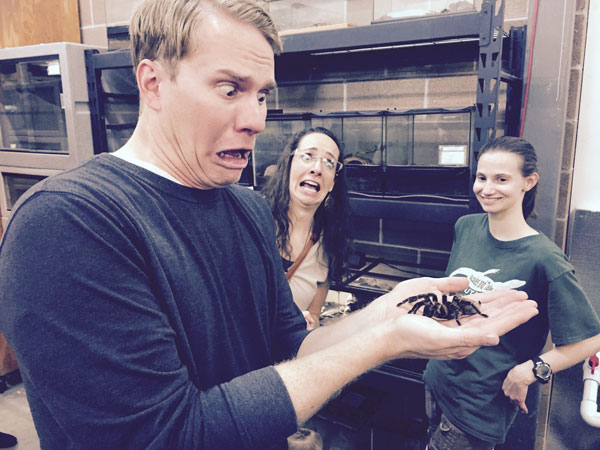
That's me! I'm Dylan Higginbotham, and creating Final Cut Pro plugins is a blast. Lightning round: Five kids. Fast to laugh. Basketball is life (I can almost touch the net now).

Do you want to look professional without wasting time & money trying to learn a new skill? Well, check out some free titles, transitions and effects. You're gonna love 'em! Just click the button below to get 96 professionally designed and animated Final Cut Pro templates for only FREE!