





He drafted a plan: add a digital anti-windup scheme in the PLC, reintroduce a damping stage upstream, and, where possible, slightly oversize the accumulators to handle the peak demand. He presented it as a single-page risk assessment with bullet points and a cost estimate. Management read it at lunch. They read it again in the afternoon. They authorized a pilot: one line, one weekend, full stop.
"Because," he said, "it tells you what the machine will do when everything else is lying to you."
Peter proposed a phased rebuild. Management balked at downtime; finance saw cost, not risk. So Peter started small. He tuned. He swapped a valve here, changed a spool there, added bleed orifices like surgical stitches. At night he poured over Rohner’s descriptions of stability margins and loop interactions, cross-referencing with the plant’s original schematics. He began drawing his own schematics — the real ones — overlaying control responses with actual load traces.
Over the next week the plant's problems surfaced in other places: a crane that drifted when unloaded, a cutting head that fluttered at high speed, an auxiliary pump that sang at an odd pitch under heavy load. Each failure seemed small. Each nudged the same truth forward: the control architecture had been stretched thin by increased production quotas and newer, more aggressive tooling. The pressure compensators were pinned; the accumulators were undersized for the new cycle times. Systems designed for predictable loads now faced volatile demand.
Machines change. Fluids change. People change. But there are truths in the diagrams and equations of a well-made manual — truths about pressures and flows, about delays and surges, about the human decisions that steer metal and oil to do precise work. And when those truths are read by someone patient and stubborn enough, they keep entire factories from forgetting how to breathe.
We solve real problems that streaming providers face every day.
Every business is different. Our solutions adapt to your needs — from small startups to large providers.
Start small, grow big. Our platform handles traffic spikes without slowing down. No limits on growth.
5+ layers of security, built-in DDoS protection, and encrypted connections. Your content stays safe.
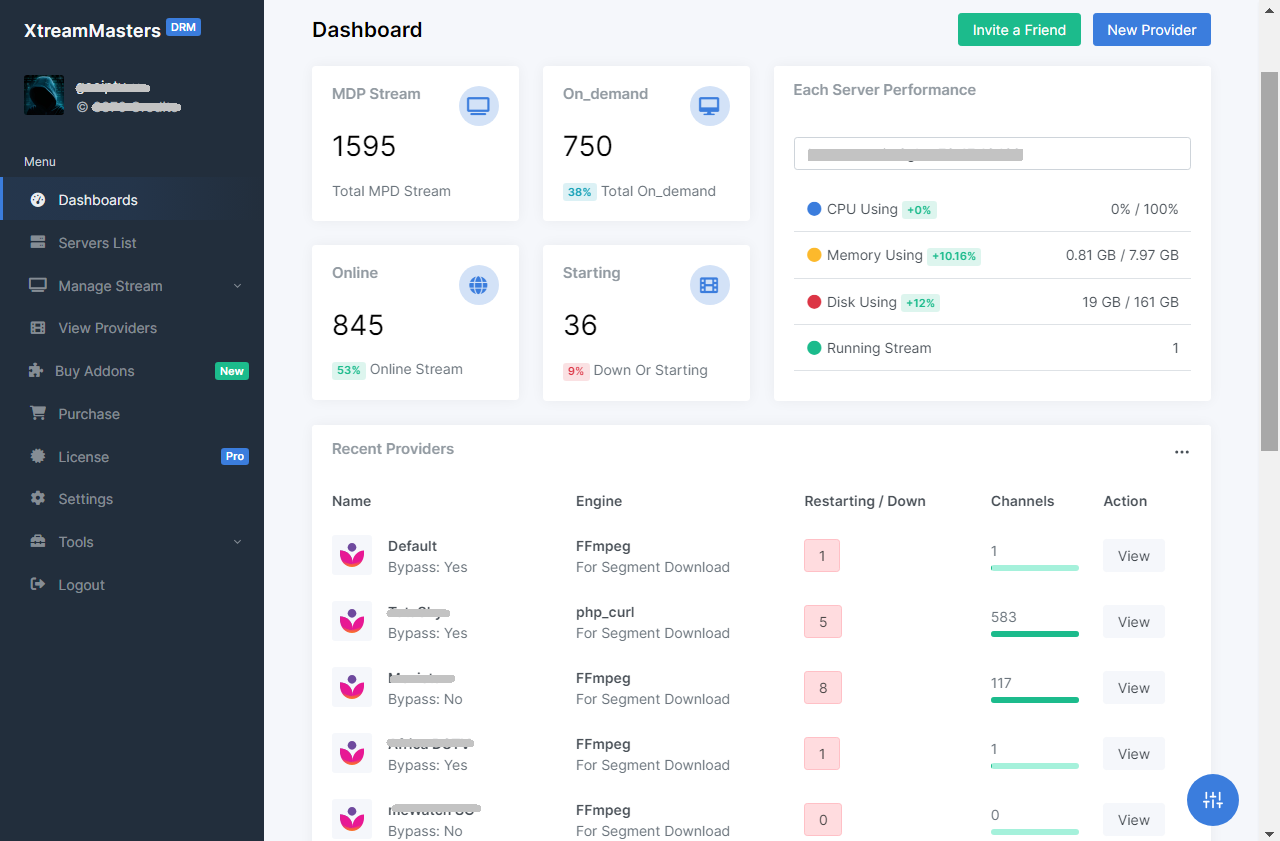
Convert DRM-protected MPD streams to HLS. You bring your own MPD + keys, server or proxy. No content included.
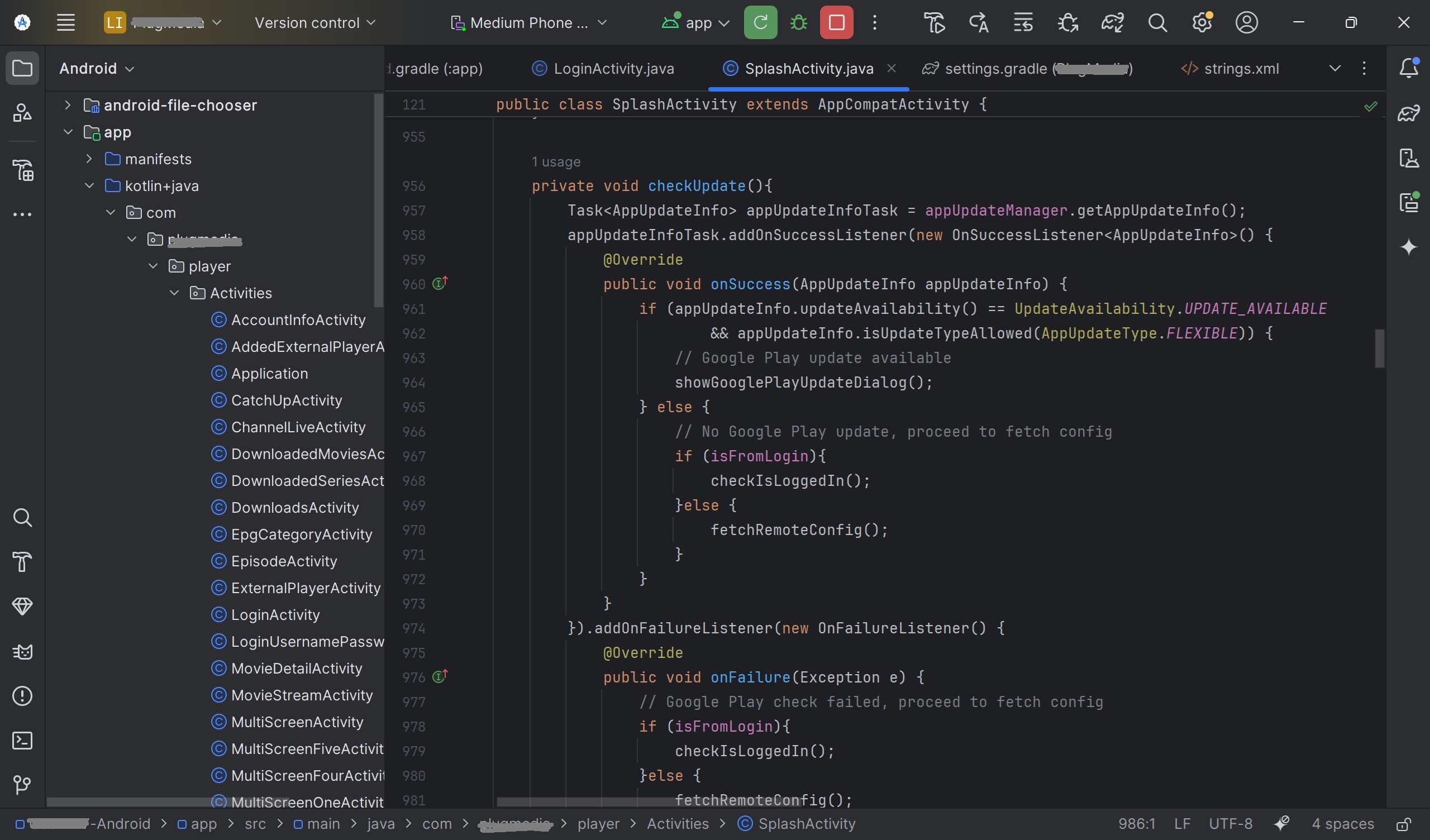
Your own branded IPTV app, ready in 3-7 days. Smart DNS, built-in VPN, all devices supported, and zero downtime with Firebase.
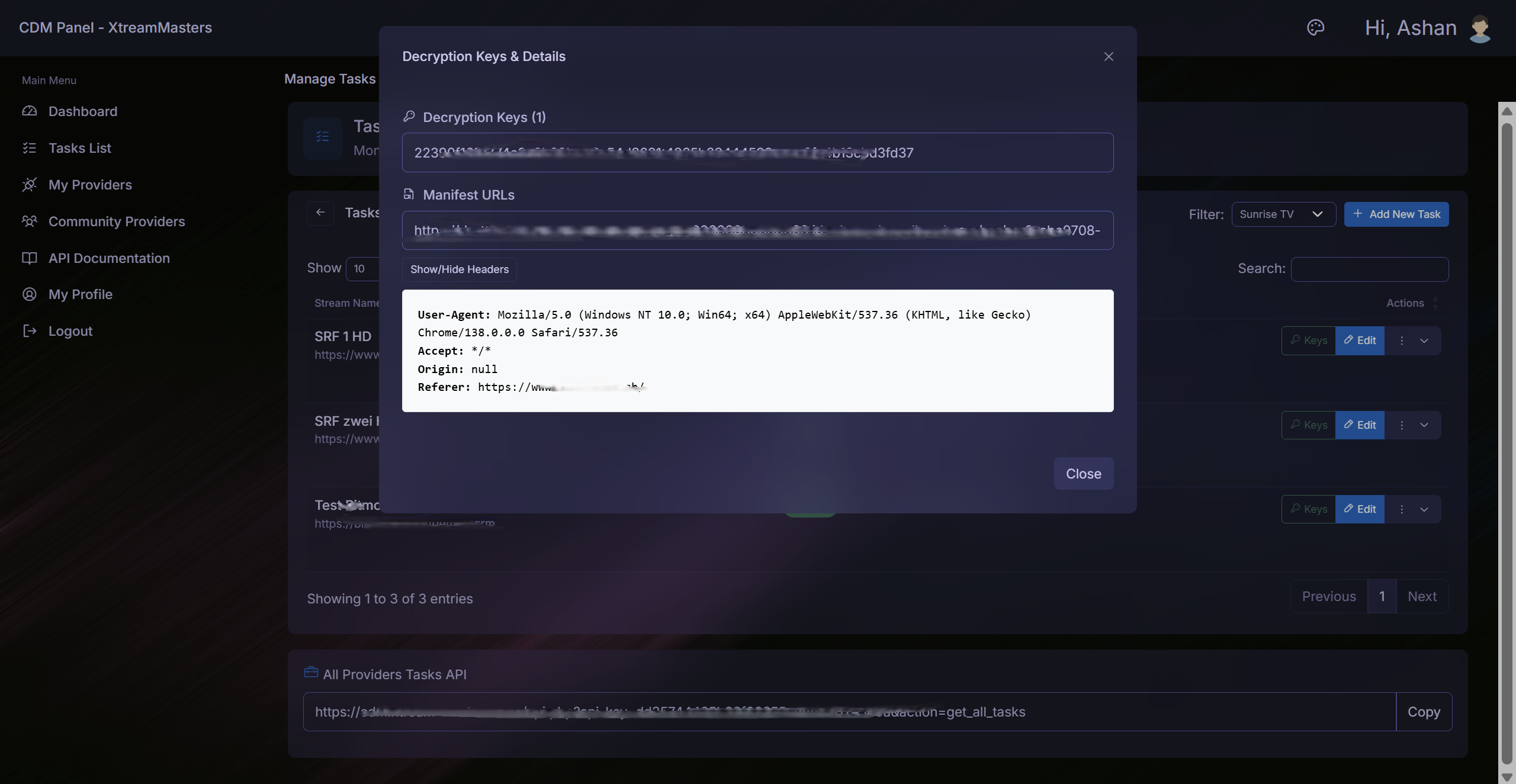
Chrome extension that automatically extracts MPD manifests and Widevine keys. Runs in the background with zero manual effort.
He drafted a plan: add a digital anti-windup scheme in the PLC, reintroduce a damping stage upstream, and, where possible, slightly oversize the accumulators to handle the peak demand. He presented it as a single-page risk assessment with bullet points and a cost estimate. Management read it at lunch. They read it again in the afternoon. They authorized a pilot: one line, one weekend, full stop.
"Because," he said, "it tells you what the machine will do when everything else is lying to you." industrial hydraulic control peter rohner pdf better
Peter proposed a phased rebuild. Management balked at downtime; finance saw cost, not risk. So Peter started small. He tuned. He swapped a valve here, changed a spool there, added bleed orifices like surgical stitches. At night he poured over Rohner’s descriptions of stability margins and loop interactions, cross-referencing with the plant’s original schematics. He began drawing his own schematics — the real ones — overlaying control responses with actual load traces. He drafted a plan: add a digital anti-windup
Over the next week the plant's problems surfaced in other places: a crane that drifted when unloaded, a cutting head that fluttered at high speed, an auxiliary pump that sang at an odd pitch under heavy load. Each failure seemed small. Each nudged the same truth forward: the control architecture had been stretched thin by increased production quotas and newer, more aggressive tooling. The pressure compensators were pinned; the accumulators were undersized for the new cycle times. Systems designed for predictable loads now faced volatile demand. They read it again in the afternoon
Machines change. Fluids change. People change. But there are truths in the diagrams and equations of a well-made manual — truths about pressures and flows, about delays and surges, about the human decisions that steer metal and oil to do precise work. And when those truths are read by someone patient and stubborn enough, they keep entire factories from forgetting how to breathe.
