







React Logo

By Addy Osmani and Hassan Djirdeh

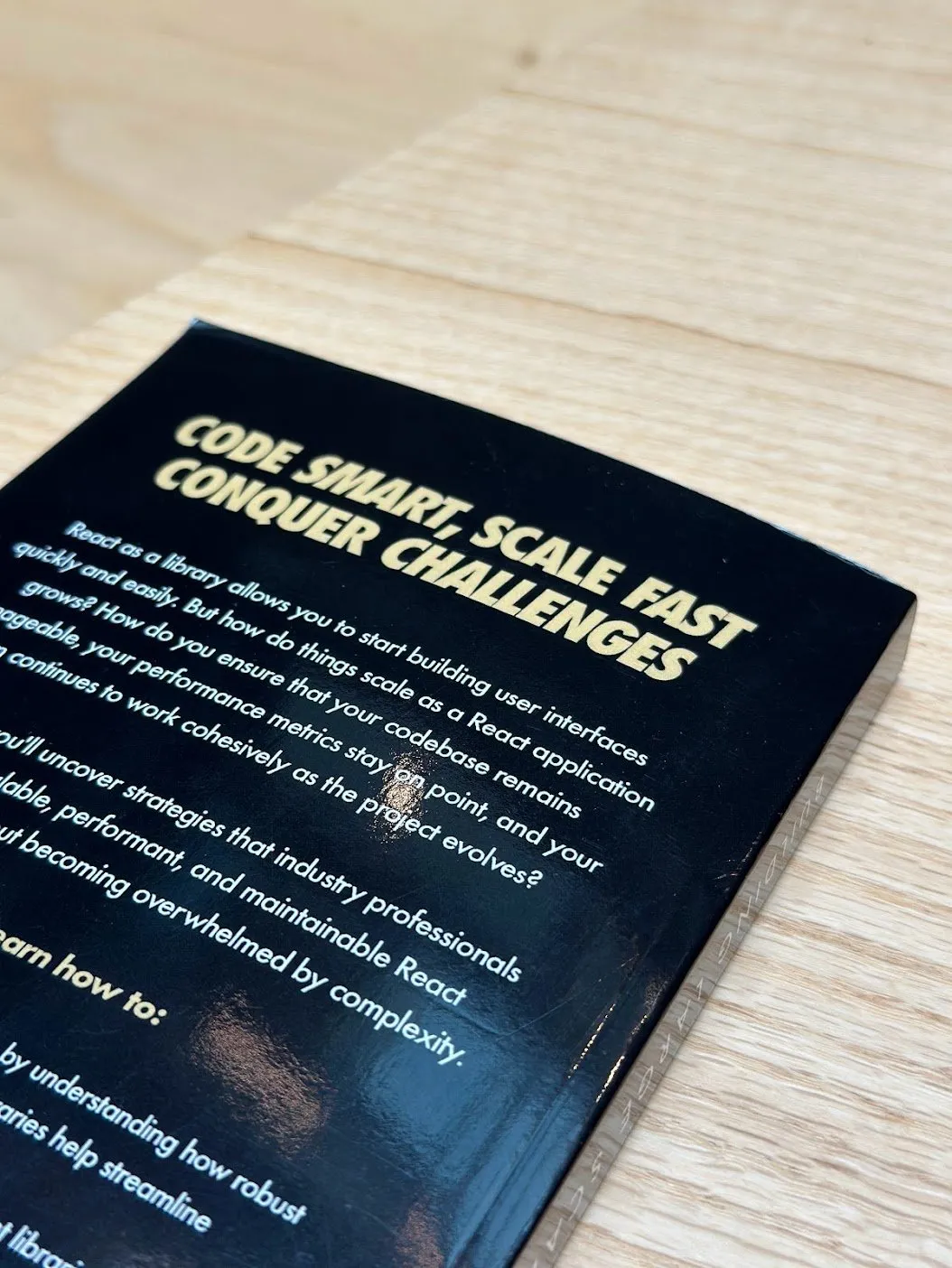
Code Smart, Scale Fast, Conquer Challenges

Learn tools and techniques to build and maintain large-scale React web applications.

Or  for free.
Building Large Scale Web Apps: A React Field Guide. By Addy Osmani and Hassan Djirdeh

“Building Large Scale Web Apps” is a toolkit to managing large-scale React applications.

React as a library allows you to start building user interfaces quickly and easily. But how do things scale as an application grows? How do you ensure that your codebase remains manageable, your performance metrics stay on point, and your team continues to work cohesively as the project evolves?

In this book, you'll uncover strategies that industry professionals use to build scalable, performant, and maintainable React applications, all without becoming overwhelmed by complexity.

Together, we've spent well over two decades building within or consulting for

The Google logo.
The Doordash logo.
The Instacart logo.
The Netflix logo.
The X logo.
The YouTube logo.
The Shopify logo.
The Ebay logo.

Let's consider an example of a low-rise building with a mean roof height of 30 feet (9.1 meters) located in a region with a basic wind speed of 100 mph (161 kph). The building has a rectangular shape with a width of 50 feet (15.2 meters) and a length of 100 feet (30.5 meters).

Wind loads are a critical consideration in the design of buildings and structures, particularly those located in areas prone to high winds, such as coastal regions or areas with high wind velocities. Wind loads can cause significant stress on a structure, leading to damage or even collapse if not properly accounted for in the design process.

Wind load calculation as per ASCE 7-05 is a critical step in the design of buildings and structures. By following the step-by-step procedure outlined in the standard, engineers can determine the wind loads that a structure may be subjected to during its design life. The example calculation provided in this blog post illustrates the application of the ASCE 7-05 procedure for a low-rise building. It is essential to consult the ASCE 7-05 standard and relevant building codes for specific design requirements and guidelines.

q = 0.00256 * 0.85 * 0.925 * 0.85 * 0.8 * 100^2 = 18.2 psf

The American Society of Civil Engineers (ASCE) provides guidelines for calculating wind loads on buildings and structures through its ASCE 7-05 standard. This standard, titled "Minimum Design Loads for Buildings and Other Structures," provides a framework for determining the wind loads that a structure may be subjected to during its design life. In this blog post, we will provide an overview of the wind load calculation procedure as per ASCE 7-05.

Some other things!

Descriptive content, continous updates, and soundbites from industry professionals.

Descriptive, not prescriptive

When explaining content, we follow a descriptive approach, not prescriptive. In other words, we don’t tell you what specific tools or libraries you have to use to be successful. Rather, we focus on explaining a concept and employ certain libraries or tools to illustrate that concept.

React-focused with universal concepts

While the book is React-focused, it teaches universal concepts that transcend all web development frameworks. It's designed to enhance your understanding of building web applications that are scalable, maintainable, and adaptable, regardless of the specific technology stack.

Continous, frequent updates

Purchasing the e-book gives you access to all new content, edits, and improvements forever. In fact, we're currently working on adding three new chapters soon — Routing, User-centric API design, and React in 2024. Check out the Changelog to follow along on all the updates we'll make.

Soundbites from industry professionals

In the book, we share soundbites and thoughts from industry professionals. These soundbites are shared from start-up owners and software engineers who work at Doordash, Netflix, Spotify, and more.

Back cover of physical book
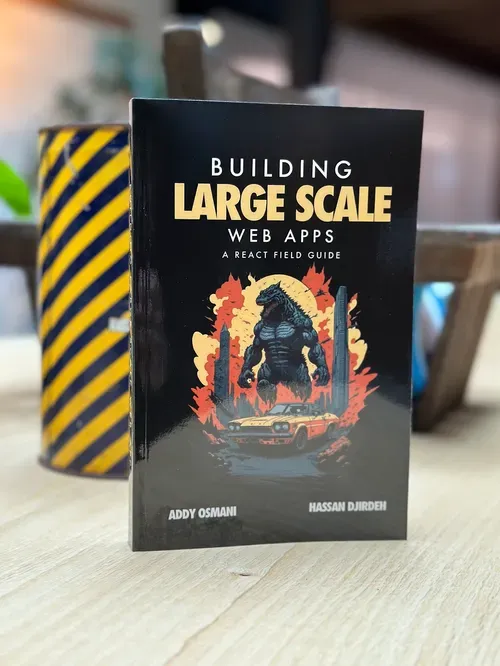
Front cover of physical book
Back cover of physical book
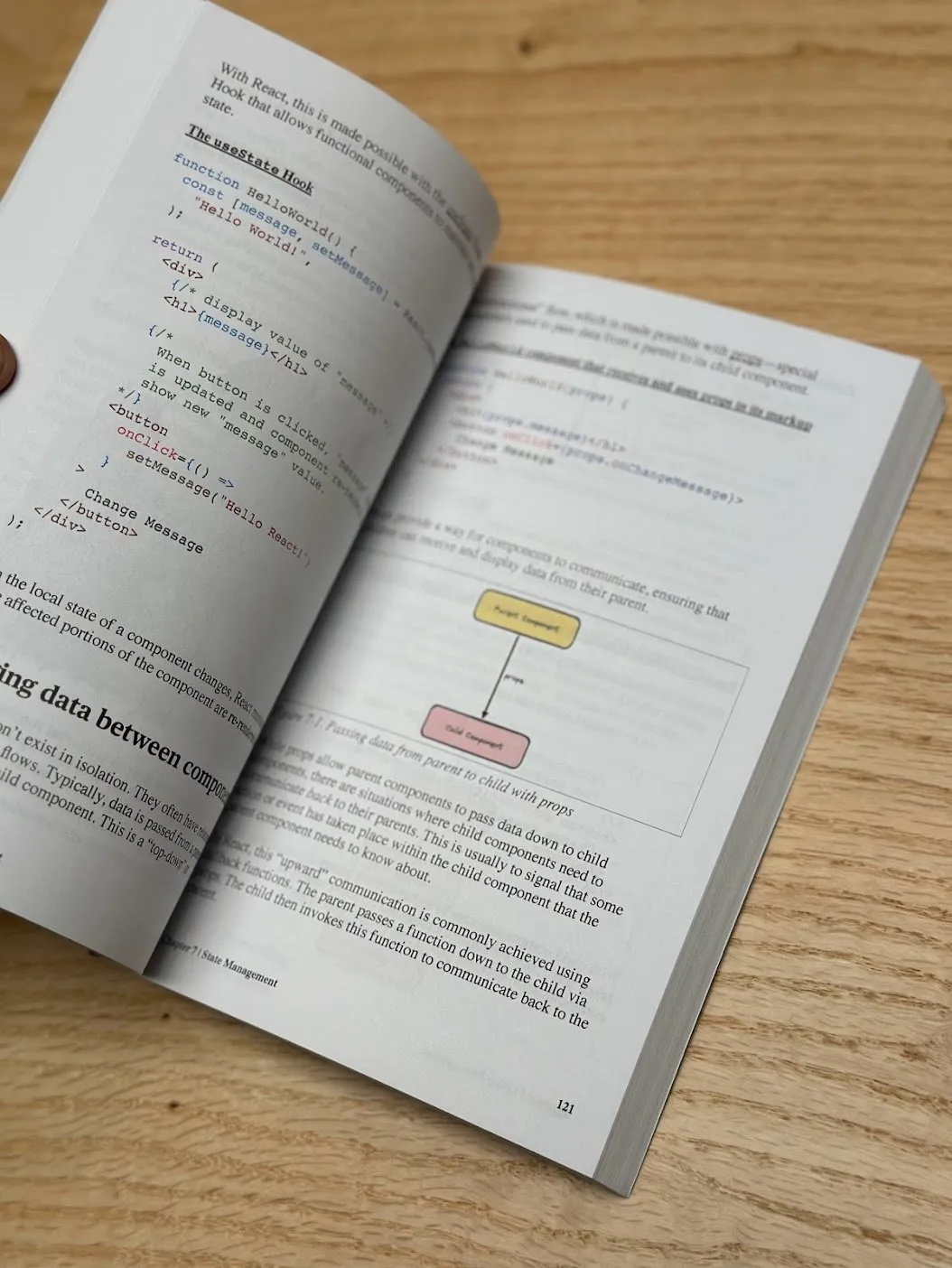
Contents of physical book

Industry nuggets

Nuggets of wisdom from industry professionals

Jem Young

Maxi Ferreira

Emma Bostian

Zeno Rocha

Francine Navarro

Jeffrey Peng

And others!

Wind Load Calculation As Per Asce 7-05 [2021] -

Let's consider an example of a low-rise building with a mean roof height of 30 feet (9.1 meters) located in a region with a basic wind speed of 100 mph (161 kph). The building has a rectangular shape with a width of 50 feet (15.2 meters) and a length of 100 feet (30.5 meters).

Wind loads are a critical consideration in the design of buildings and structures, particularly those located in areas prone to high winds, such as coastal regions or areas with high wind velocities. Wind loads can cause significant stress on a structure, leading to damage or even collapse if not properly accounted for in the design process. wind load calculation as per asce 7-05

Wind load calculation as per ASCE 7-05 is a critical step in the design of buildings and structures. By following the step-by-step procedure outlined in the standard, engineers can determine the wind loads that a structure may be subjected to during its design life. The example calculation provided in this blog post illustrates the application of the ASCE 7-05 procedure for a low-rise building. It is essential to consult the ASCE 7-05 standard and relevant building codes for specific design requirements and guidelines. Let's consider an example of a low-rise building

q = 0.00256 * 0.85 * 0.925 * 0.85 * 0.8 * 100^2 = 18.2 psf Wind loads can cause significant stress on a

The American Society of Civil Engineers (ASCE) provides guidelines for calculating wind loads on buildings and structures through its ASCE 7-05 standard. This standard, titled "Minimum Design Loads for Buildings and Other Structures," provides a framework for determining the wind loads that a structure may be subjected to during its design life. In this blog post, we will provide an overview of the wind load calculation procedure as per ASCE 7-05.

Who we are

Heyo! We're Addy & Hassan — Engineers & Educators.

Profile picture of Addy Osmani

AddyOsmani

I'm an engineering leader working on Google Chrome and I lead up Chrome's Developer Experience organization, helping reduce the friction for developers to build great user experiences.

HassanDjirdeh

I'm a senior software engineer and have built large production web applications at organizations like Doordash, Instacart, and Shopify.

Profile picture of Addy Osmani

Pick your package

“Building Large Scale Web Apps” is available in either an e-book or as a physical copy.

E-book

Great for digital learners.

$24.99USD

  • 300+ pages
  • PDF or EPub (or both)
  • All future updates
Buy with Leanpub Or buy with Apple Books or Google Play

Physical copy (softcover)

Perfect for hands-on referencers.

$49.99USD

  • 300+ pages
  • Softcover
  • Something to put on your bookshelf
  • Interested in both the e-book and physical copy? Purchase both separately!
Buy Physical Copy

Some words from readers

Here are some things we've been hearing from our readers.

FAQ

Got questions? We've got answers.